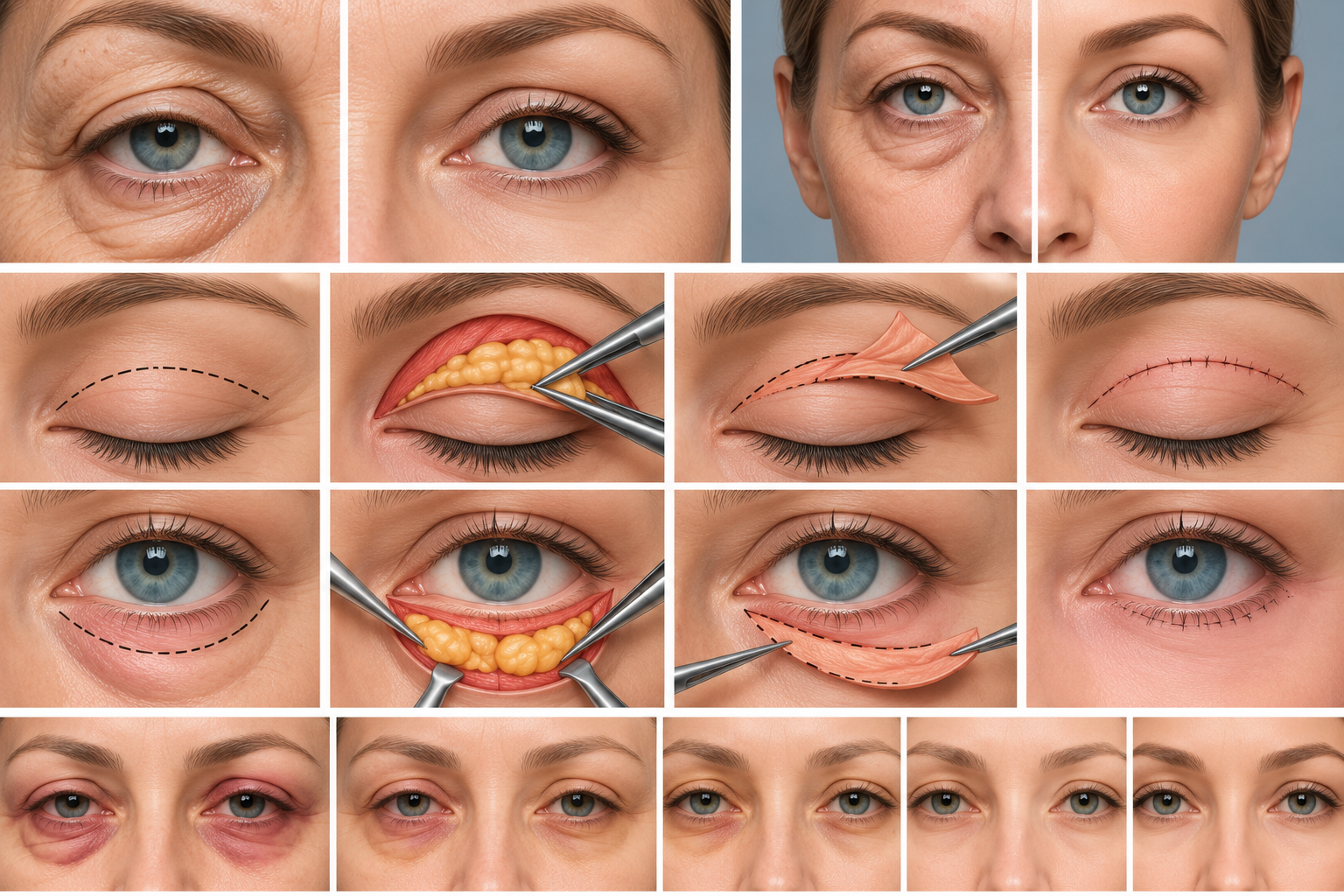
The area around the eyes is one of the first areas of the face where signs of aging may become noticeable. Over time, reduced skin elasticity, changes in the supporting tissues around the eyes, and displacement of fat tissue can lead to drooping eyelids, under-eye bags, and excess skin.
Eyelid surgery is one of the surgical methods used to reduce the appearance of these changes. Also known medically as blepharoplasty, this procedure can be performed on the upper eyelids, lower eyelids, or both areas.
What Is Eyelid Surgery?
Eyelid surgery is a procedure aimed at surgically reshaping excess skin and, when necessary, excess fat tissue in the eyelids. The scope of the procedure is determined according to the person's eye-area anatomy, skin structure, signs of aging, and individual needs.
The aim is to reduce signs of aging around the eyes while achieving a natural result that is harmonious with the overall appearance of the face.
Who May Be Suitable for Eyelid Surgery?
Adults with noticeable excess skin around the eyes, drooping upper eyelids, or bags under the lower eyelids may be considered for eyelid surgery.
In some people, in addition to affecting appearance, excess upper eyelid skin may affect the field of vision. In such cases, it is important for the eyelid and visual function to be evaluated by a specialist.
Suitability for surgery is not determined solely by age. The person's general health, eye health, medications, previous eye or facial surgeries, and expectations are also evaluated.
How Is Upper Eyelid Surgery Performed?
During upper eyelid surgery, excess skin and, when considered necessary, excess fat tissue may be adjusted. The surgical incision is generally placed within the natural crease of the eyelid, with the aim of making the scar less noticeable after healing.
The procedure varies according to the person's anatomy and needs. Not every patient requires the same amount of skin or fat tissue to be removed.
How Is Lower Eyelid Surgery Performed?
During lower eyelid surgery, under-eye bags, excess skin, and changes in the underlying tissues are evaluated.
The technique used may vary from person to person. In some patients, excess fat tissue may be repositioned or reshaped. In some cases, excess skin may also be removed.
The aim of lower eyelid surgery is not simply to remove excess tissue, but to create a more balanced appearance by taking the overall structure of the eye area into consideration.
What Should Be Considered Before Eyelid Surgery?
A detailed medical examination before surgery is important. The doctor should be informed about medications being used, existing medical conditions, eye-related problems, previous surgeries, and any allergies.
The doctor's recommendations should be followed regarding medications or products that may increase the risk of bleeding. If the person smokes, the doctor's recommendations for the period before and after surgery should be taken into consideration.
It is also important to have realistic expectations about the results and limitations of the surgery.
What Is the Recovery Process Like?
After eyelid surgery, swelling, bruising, sensitivity, or tightness around the eyes may occur. The duration of these effects varies from person to person.
It is important to follow the care instructions recommended by the doctor, attend follow-up appointments on time, and avoid activities that may strain the eye area during the recovery period.
During the early recovery period, the final result may not be immediately visible. As swelling and edema decrease, the appearance of the eye area becomes more defined.
Are There Risks Associated with Eyelid Surgery?
As with any surgical procedure, eyelid surgery carries certain risks. Complications such as bleeding, infection, wound-healing problems, scarring, asymmetry, dry eyes, or temporary vision-related complaints may occur.
More serious complications may rarely occur. Risks can vary depending on the type of procedure, the person's health condition, and the anatomy of the eye area.
Therefore, it is important that possible risks are explained in detail by a specialist before the operation.
When Are the Results of Eyelid Surgery Visible?
Due to swelling and bruising that may occur immediately after surgery, the results may not be fully evaluated during the first few days. As healing progresses, the appearance of the eye area also changes.
Sufficient healing time is required to evaluate the results. The longevity of the results depends on many factors, including the person's aging process, skin characteristics, genetic structure, and lifestyle.
Can Eyelid Surgery Be Combined with Other Procedures?
For some people, eyelid surgery may be planned together with a facelift, brow lift, or other facial aesthetic procedures. However, which procedures are necessary should be determined by evaluating the person's facial structure and individual needs.
Combining multiple procedures may change the scope of the surgery and the recovery process. Therefore, it is important for the treatment plan to be prepared individually by a specialist.
Eyelid Surgery in Medical Tourism
For people planning to travel to another country for eyelid surgery, comparing prices alone is not sufficient. The surgeon's experience, the standards of the clinic or hospital, preoperative evaluation, postoperative follow-up, and access to medical support in case of possible complications should also be considered.
Patients planning treatment abroad should clarify details such as the preoperative examination, scope of the operation, length of hospital stay, transfers, accommodation, and postoperative follow-up in advance.
Conclusion
Eyelid surgery is a surgical procedure aimed at reducing the appearance of excess skin, fat tissue, and sagging in the upper and lower eyelids caused by aging or structural characteristics.
Since every person's eye-area anatomy and needs are different, the technique to be used should be determined individually. Before deciding to undergo surgery, obtaining a detailed evaluation from a specialist in plastic, reconstructive, and aesthetic surgery and learning about the benefits, limitations, possible risks, and recovery process can help patients make an informed decision.
Related Articles
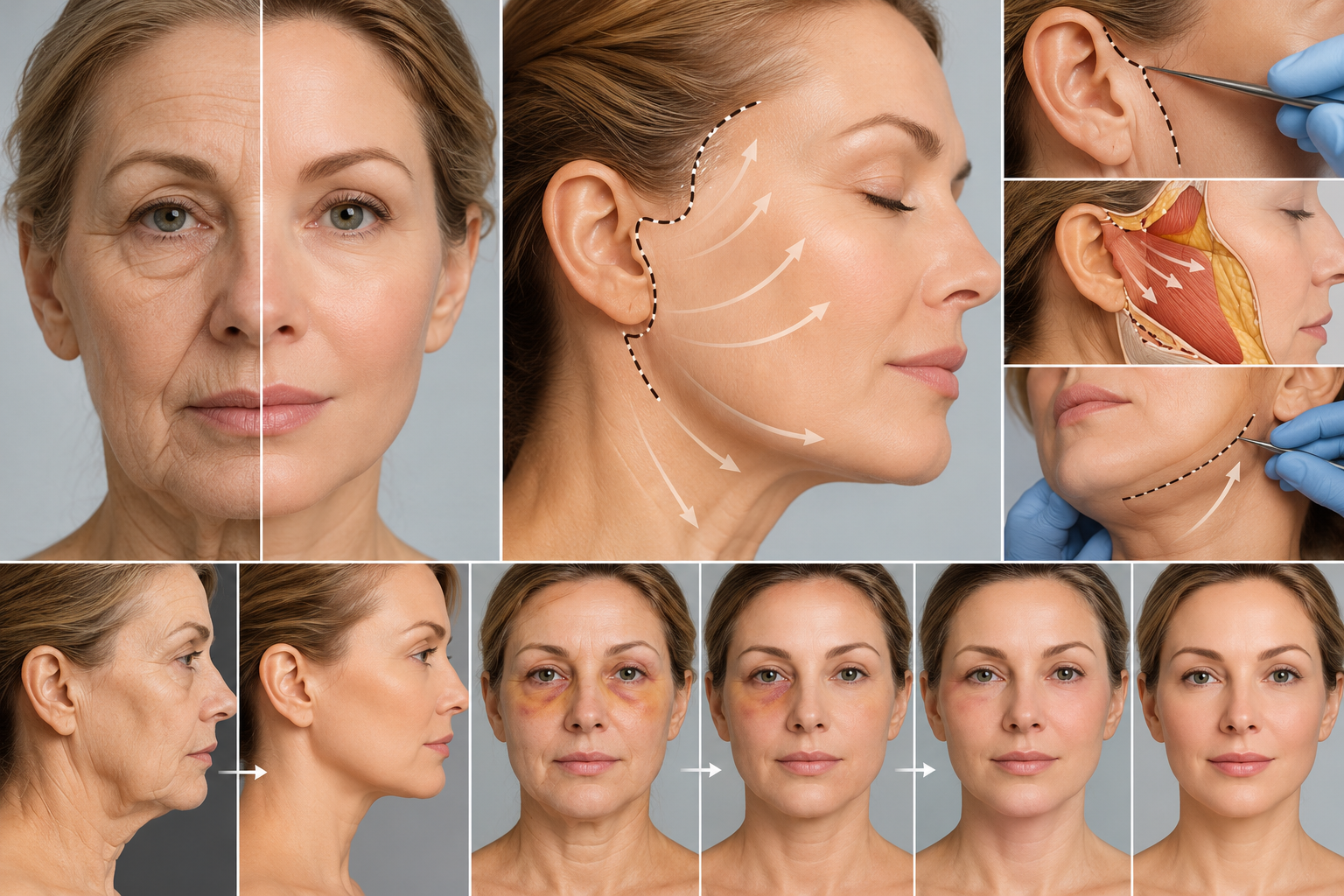
What You Need to Know About Facelift Surgery
Facelift surgery is a surgical aesthetic procedure intended to reduce the appearance of sagging and looseness in the face and neck that occur with aging. Having information about the preoperative evaluation, choosing the appropriate technique, and the recovery process can help patients make more informed decisions about their treatment plan.
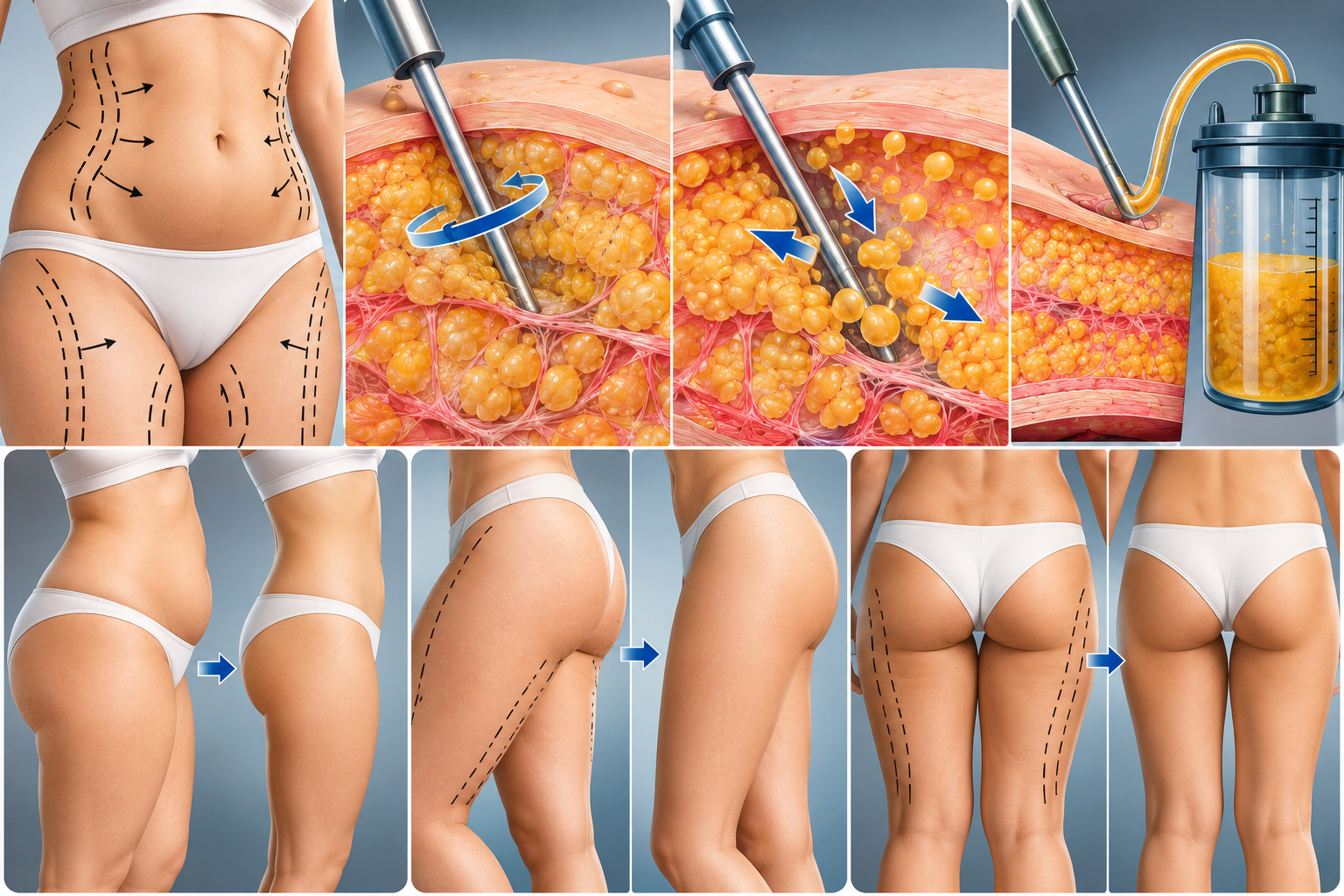
Liposuction: Removal of Localized Fat and Body Contouring
Liposuction is a surgical cosmetic procedure that aims to remove excess fat tissue that remains in certain areas despite diet and exercise, helping to contour the body. It can be performed on different areas such as the abdomen, waist, hips, thighs, arms, back and chin. Liposuction is not a weight-loss method; its primary purpose is to create a more balanced body contour.